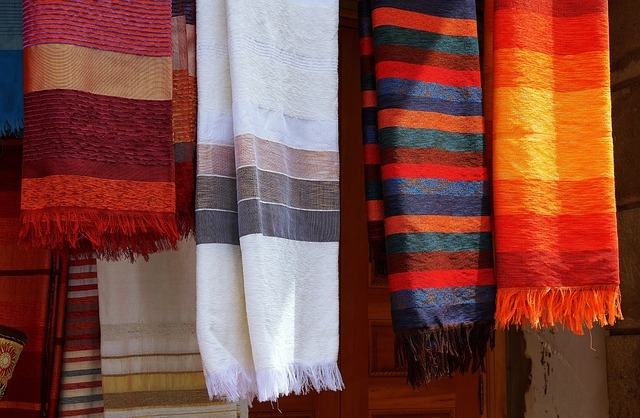
Classic Handmade Southwestern Home Rug

Classic Handmade Southwestern Home Rug

Choosing the right materials for your mantel

Southwestern rugs are a beautiful and timeless addition to any home, known for their intricate designs and vibrant colors. These rugs are crafted using traditional weaving techniques that have been passed down through generations.

One of the most common techniques used in creating Southwestern rugs is the flat weave method. This involves weaving the rug on a loom, using horizontal and vertical threads to create the design. The weaver carefully selects each strand of yarn, ensuring that the pattern is cohesive and symmetrical.

Another popular technique is the tapestry weave, where different colored yarns are woven together to create intricate patterns and images. This technique allows for more detailed designs and gives the rug a textured look.

In addition to these weaving techniques, Southwestern rugs often feature natural materials such as wool, cotton, or jute. These materials are durable and long-lasting, making them ideal for high-traffic areas in the home.

Overall, traditional weaving techniques play a crucial role in creating classic handmade Southwestern rugs. The attention to detail and quality craftsmanship that goes into each rug ensures that it will be cherished for years to come as a beautiful piece of art in any home.

southwestern mantel decor

Bold Handcrafted Southwestern Design Rug for Home

When it comes to crafting classic handmade Southwestern home rugs, the choice of materials plays a crucial role in determining the overall quality and aesthetic appeal of the final product. Traditional Southwestern rugs are known for their vibrant colors, intricate patterns, and durable construction, all of which can be attributed to the specific materials used in their creation.

One of the most commonly used materials in crafting Southwestern rugs is wool. Wool is prized for its softness, warmth, and resilience, making it ideal for creating cozy and long-lasting rugs that can withstand heavy foot traffic. The natural fibers of wool also absorb dyes exceptionally well, resulting in rich and saturated hues that are characteristic of traditional Southwestern designs.

In addition to wool, cotton is another popular material used in crafting Southwestern rugs. Cotton is valued for its affordability, versatility, and ability to take on a wide range of colors and patterns. Cotton rugs are often lighter in weight than their wool counterparts, making them a practical choice for warmer climates or high-traffic areas where ease of cleaning is important.

Other materials that may be used in crafting Southwestern rugs include jute, sisal, and synthetic fibers such as nylon or polyester. These materials offer different textures and characteristics that can add depth and interest to the design of the rug.

Ultimately, the choice of materials used in crafting classic handmade Southwestern home rugs depends on factors such as budget, desired aesthetics, durability requirements, and personal preference. Whether made from luxurious wool or versatile cotton, each material brings its own unique qualities to the finished rug, ensuring that every piece is a work of art that will enhance any home décor style with its timeless beauty and craftsmanship.

Adding natural elements such as wood, stone, and metal

When it comes to classic handmade Southwestern home rugs, there are a few popular designs and patterns that stand out. One of the most common elements found in these rugs are geometric shapes, such as diamonds, triangles, and stripes. These shapes are often arranged in repetitive patterns that create a sense of symmetry and balance in the rug.

Another characteristic of Southwestern rugs is the use of bold colors. Earthy tones like reds, oranges, yellows, and browns are frequently used in these rugs to reflect the natural beauty of the desert landscape. These vibrant hues not only add visual interest to the rug but also help to create a warm and inviting atmosphere in any room.

Overall, Southwestern rugs are known for their unique blend of geometric designs and bold colors that make them a timeless addition to any home decor. Whether you're looking to add a touch of Southwestern charm to your living room or bedroom, these handmade rugs are sure to bring a sense of warmth and authenticity to your space.

Selecting the perfect artwork or pottery pieces for your mantel

Southwestern rugs hold a deep cultural significance in Native American communities, serving as an important form of artistic expression and storytelling. These handmade rugs are much more than just decorative pieces - they represent the rich history and traditions of the tribes that create them.

In many Native American cultures, weaving is considered a sacred art form that has been passed down through generations. The intricate designs and patterns found in Southwestern rugs often reflect elements of nature, spiritual beliefs, and tribal symbols. Each rug tells a unique story and serves as a connection to the past for those who create and admire them.

Beyond their cultural importance, Southwestern rugs also serve practical purposes within Native American communities. Traditionally used as blankets or clothing, these rugs are not only beautiful but also functional. They provide warmth during cold winter months and are often used in ceremonies and rituals.

Today, Southwestern rugs continue to be highly sought after for their beauty and craftsmanship. Many collectors appreciate the intricate detail and vibrant colors found in these handwoven creations. While modern technology has made it easier to produce mass-produced rugs, there is still a strong demand for authentic handmade pieces that honor the traditions of Native American artisans.

In conclusion, Southwestern rugs play a vital role in preserving the cultural heritage of Native American communities. These timeless creations serve as a reminder of the resilience and creativity of Indigenous peoples throughout history. Whether displayed in homes or museums, these rugs will continue to captivate audiences with their beauty and storytelling for generations to come.

Enhancing the overall look with lighting and accessories

Incorporating a handmade Southwestern rug into your home decor can bring a unique and stylish touch to any room. These rugs are not only beautiful works of art, but they also offer many benefits that can enhance the overall look and feel of your living space.

One of the main benefits of incorporating a handmade Southwestern rug into your home decor is the added warmth and comfort it provides. These rugs are typically made from high-quality materials such as wool or cotton, which offer a soft and cozy surface to walk on. This can be especially beneficial in rooms with hard flooring surfaces, such as hardwood or tile, where a rug can help to create a more inviting and comfortable atmosphere.

Additionally, Southwestern rugs often feature vibrant colors and intricate designs that can add visual interest and personality to any room. Whether you prefer bold geometric patterns or more traditional Native American motifs, there is sure to be a handmade Southwestern rug that suits your style and preferences. These rugs can serve as a focal point in a room, tying together other elements of the decor and creating a cohesive and harmonious look.

Furthermore, incorporating a handmade Southwestern rug into your home decor can also help to support local artisans and preserve traditional crafting techniques. Many Southwestern rugs are still made by hand using age-old methods passed down through generations, making each piece truly unique and one-of-a-kind. By purchasing a handmade rug, you are not only investing in quality craftsmanship but also contributing to the preservation of cultural heritage.

Overall, adding a handmade Southwestern rug to your home decor is an excellent way to infuse warmth, style, and character into your living space. Whether you choose to display it in the living room, bedroom, or hallway, this versatile piece of decor is sure to make a lasting impression on both guests and residents alike. So why wait? Consider incorporating a beautiful handmade Southwestern rug into your home decor today!

Tips for maintaining and updating your southwestern mantel decor

Taking care of a handmade Southwestern rug is important to ensure its longevity and maintain its beauty over time. Here are some tips to help you care for and maintain your rug:

1. Regular vacuuming: It is important to regularly vacuum your Southwestern rug to remove dirt, dust, and debris that can accumulate in the fibers. Use a vacuum with a low setting or brush attachment to avoid damaging the delicate weave of the rug.

2. Rotate your rug: To prevent uneven wear and fading, rotate your rug every few months. This will help distribute foot traffic and sunlight exposure more evenly across the entire surface of the rug.

3. Spot clean spills immediately: Accidents happen, so it's important to spot clean any spills or stains on your rug as soon as possible. Blot the area with a clean cloth or paper towel, and avoid rubbing or scrubbing which can damage the fibers.

4. Use padding: Placing a non-slip rug pad underneath your Southwestern rug can help prevent slipping, protect hardwood floors from scratches, and provide extra cushioning for added comfort.

5. Avoid direct sunlight: Excessive exposure to sunlight can cause colors to fade and weaken the fibers of your rug over time. Consider using curtains or blinds to protect your rug from harsh UV rays.

6. Professional cleaning: For deep cleaning, consider hiring a professional cleaner who specializes in caring for handmade rugs. They will have the expertise and tools necessary to properly clean and restore your Southwestern rug without causing any damage.

By following these tips for caring for and maintaining your Southwestern rug, you can enjoy its beauty for years to come while preserving its quality craftsmanship and unique design characteristics.

Frequently Asked Questions

Authentic handcrafted Southwestern home rugs can be found at specialty stores, online marketplaces specializing in artisan goods, or directly from Native American artisans who specialize in traditional weaving techniques.